
Understanding Instagram views vs impressions vs reach is more than just tracking numbers, it’s about knowing how your content performs, who sees it, and how to grow your account effectively. While these metrics might look similar, each tells a very different story about your content’s performance. Whether you’re a creator, brand, or casual user, these metrics can help you make smarter decisions on posting, engagement, and content strategy.
Many people get confused about these terms. Questions like:
- What’s the difference between Instagram views and impressions?
- How is reach on Instagram calculated?
- Which metric should I care about most?
In this guide, we’ll break down the definitions, explain the differences, show how to find them in Instagram Insights, and provide actionable tips to boost each metric.
What Is an Instagram View?
An Instagram view measures how many times your video content whether it’s a Reel, Story, or Feed video has been watched. In simple terms, every time someone plays your video long enough to register as a view, it adds to your total count.
For Reels, the view is counted as soon as the video starts playing, even if it loops or is watched multiple times by the same person. For feed videos, Instagram only counts a view after about 3 seconds of watch time — quick scrolls don’t count. In Stories, each unique viewer counts as one view, and you can even see exactly who watched your Story within 24 hours.
You don’t need likes, comments, or shares for a view to count — just watching is enough. This makes views one of the most important engagement signals, showing how effectively your video captures attention.
Tip: The first few seconds matter most. Use an eye-catching start — like movement, text overlays, or a strong visual hook — to make people stop scrolling and boost your total views.
Why Views Matter on Instagram
Instagram views are one of the most important metrics for creators, brands, and anyone serious about content growth and engagement. Since Instagram made views the primary metric in 2024, they’ve become the foundation for how content performance is measured.
Here’s why views matter so much now:
They show attention: Every view means someone found your Reel, Story, or video interesting enough to watch.
They boost discoverability: More views help your content appear in Explore and suggested feeds.
They build credibility: Brands and followers see views as proof that your audience is real and engaged.
They influence monetization: Strong view counts can unlock bonuses, ad revenue, and brand partnerships.
They guide your strategy: Comparing view trends helps you understand what content works best.
Want to grow views naturally? Check this guide on how to get more views on Instagram organically.
What Are Impressions on Instagram?
Impressions on Instagram show how many times your post, Reel, or Story was displayed on someone’s screen — regardless of whether they actually interacted with it.
Think of impressions as visibility. Every time your content appears in someone’s feed, Explore tab, or Story lineup, it counts as one impression. If the same person sees your post three times, that’s three impressions — even if they don’t engage or click on it.
Impressions can come from multiple sources:
- Followers who see your post in their home feed.
- Non-followers who discover it via Explore, hashtags, or suggested posts.
- Paid reach, when your content appears in promoted placements like ads.
Why Impressions Matter
Impressions help you understand how often your content is being seen a key indicator of brand awareness and visibility. They’re especially useful when running campaigns, testing reach strategies, or planning ad frequency.
If your impressions are high but engagement is low, it means people are seeing your content but not acting on it often a sign to tweak your visuals, captions, or targeting.
What Is Instagram Reach?
Instagram reach measures the number of unique accounts that have seen your post, Story, or Reel. Unlike impressions, which count every single view (even multiple times by the same person), reach only counts each account once, no matter how many times they view your content.
For example, if 1,000 people each saw your post once, your reach is 1,000. But if 500 of them saw it twice, you’d still have a reach of 1,000, but 1,500 impressions. This distinction makes reach a clearer indicator of how many different people your content is truly reaching.
Reach helps you understand the breadth of your audience — whether you’re connecting with new people or mostly reaching your existing followers. It’s especially valuable for tracking how far your posts spread beyond your core audience through Explore, hashtags, shares, and recommendations.
Why Reach Matters
Reach is one of the most important top-of-funnel metrics for measuring awareness.
Here’s why it matters:
Audience Growth: Increasing reach means your content is being discovered by new people, which is vital for brand expansion and community growth.
Content Performance: Comparing reach across posts helps identify what type of content attracts new viewers.
Campaign Insights: Reach tells you whether your efforts (organic or paid) are helping your message spread wider.
Engagement Balance: If reach is flat but impressions rise, it means your existing audience is seeing your content more often, a sign to refresh your strategy or try new creative formats.
In short, reach shows how far your message travels, while impressions show how often it appears. Monitoring both gives you a complete picture of your Instagram visibility and audience impact.
Explore: How does the Instgram algorithm works
Quick Comparison: Views vs Impressions vs Reach
| Metric | What It Measures | Count Type | Applies To | Key Takeaways |
|---|---|---|---|---|
| Views | Video watches | Can count multiple views per user | Reels, Feed Videos, Stories | Shows engagement with video content |
| Impressions | Total appearances | Every display counts, including repeats | Posts, Reels, Stories | Measures visibility and repeat exposure |
| Reach | Unique viewers | Each account counted once | Posts, Reels, Stories | Measures audience size and growth |
How Do I See Views, Reach, and Impressions on Instagram?
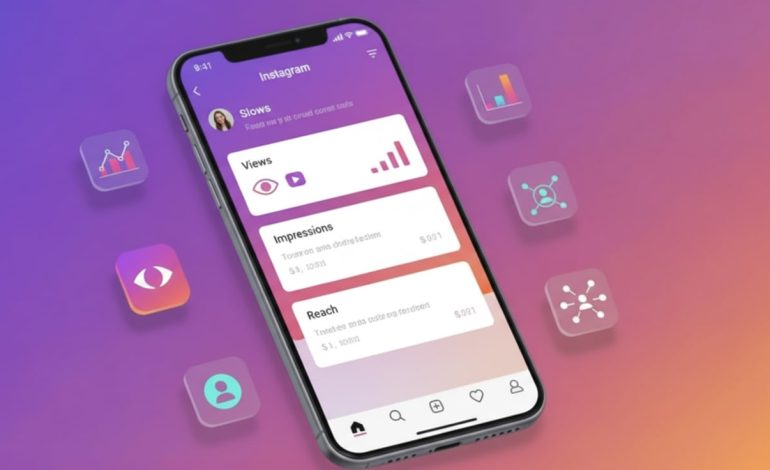
Instagram makes it easy to track these metrics directly from your account’s Insights section — available for professional accounts (Creator or Business profiles). Here’s how you can check each one:
1. Go to Your Profile
Open the Instagram app and tap your profile picture in the bottom-right corner.
2. Access Insights
Tap the “Professional Dashboard” or the menu (☰) in the top-right corner, then select Insights.
This section gives you an overview of how your content is performing — including reach, impressions, and engagement.
3. Check Overall Performance
Under “Overview,” you’ll see metrics like:
- Accounts Reached – shows your total reach (unique users who saw your content).
- Content Interactions – shows engagement activity like likes, comments, and shares.
- Total Followers – provides follower growth data and demographics.
4. Analyze Individual Posts, Reels, or Stories
To see specific numbers for a post or Reel:
- Go to the post on your profile.
- Tap “View Insights” below it.
You’ll see detailed stats, including: - Views – how many times the video was watched.
- Reach – how many unique accounts saw it.
- Impressions – total number of times it appeared on screens (including repeats).
- Profile Activity – actions taken after viewing your post, such as visits or follows.
5. For Stories:
Open your Story and swipe up to view who watched it. Instagram shows:
- View count (number of unique viewers)
- Interactions (like replies or sticker taps)
- Navigation metrics (like forwards, next story, exits)
Tip: Use this data regularly to understand what content performs best. For example, if your reach is high but views are low, your thumbnail or opening may not be engaging enough.
When Should You Focus on Views, Impressions, or Reach?
Each metric serves a different purpose depending on your goals. Understanding when to focus on each helps you make smarter content and marketing decisions.
Views:
Focus on views when you want to track how engaging your videos and Reels are. If people are watching till the end, it means your content is holding attention.
Impressions:
Focus on impressions when your goal is to get your content seen more often — especially useful for ads, promotions, or brand awareness campaigns.
Reach:
Focus on reach when you want to grow your audience and get your content in front of new people. It’s the best metric for measuring exposure and brand growth.
Example:
- A creator posting Reels should track views to see engagement.
- A brand launching a new product should focus on reach to attract new audiences.
- A business running ads should watch impressions to ensure people see their message multiple times.
Why Views Can Be Higher Than Reach (and Vice Versa)
You’ve probably noticed that sometimes your views are higher than your reach, and other times it’s the opposite. This is completely normal — it just depends on how people interact with your content.
When Views Are Higher Than Reach
This happens when people watch your video more than once. For example, if one person replays your Reel three times, that’s one reach but three views. It means your content is engaging enough for viewers to rewatch — a good sign of strong interest or entertainment value.
When Reach Is Higher Than Views
This happens when many people see your post but don’t watch the video long enough for it to count as a view. It’s common for feed videos or posts where users scroll past quickly. In this case, your content is visible but not grabbing attention.
In Short:
- High views, low reach → People are rewatching your content.
- High reach, low views → Many people saw it, but few watched it fully.
Both metrics are useful — reach shows how many people you’ve introduced your content to, and views show how many actually took the time to watch. Aim for a healthy balance between the two for the best performance.
Which Instagram Metric Affects Growth the Most?
All three metrics views, impressions, and reach contribute to your growth on Instagram, but they do it in different ways. Understanding how each one works helps you see the bigger picture of how your content performs.
High views show that people are not just scrolling past your content but actually watching and engaging with it. This signals to Instagram that your post is interesting, which can help it get recommended to more users.
High impressions mean your content is appearing on screens more often, even to the same people. This helps build brand awareness and keeps your posts top of mind for your audience.
High reach shows that your content is being seen by new people. It’s the clearest sign of audience growth and helps expand your community beyond your current followers.
In simple terms, views bring engagement, impressions build visibility, and reach drives growth.
To truly measure success, look at all three together along with other engagement actions like likes, comments, shares, and saves. This gives you a complete view of how your content attracts attention and helps your account grow.
FAQs About Instagram Views, Reach, and Impressions
A view is counted when someone watches your video or Reel long enough to trigger playback, usually after about three seconds. For Reels, the view starts counting as soon as the video begins to play.
Reach counts the number of unique users who saw your content, while impressions count the total number of times it appeared on screens — including repeat views from the same person.
Yes. If one person watches your Reel or video several times, each replay counts as an additional view.
Your Instagram views are higher than your reach because the same people are watching your content multiple times. Reach counts each user once, while views count every playback. For example, if one person watches your Reel three times, it adds three views but only one reach. This usually happens when your video is engaging enough for viewers to rewatch — which is a good sign of strong content quality.
Your impressions are higher than your reach because impressions count every time your content is shown, even if the same person sees it multiple times. Reach, on the other hand, only counts unique viewers once. So if one user sees your post three times, that’s one reach but three impressions. This usually means your content is being viewed repeatedly — a positive sign that people are seeing your posts often, which helps with brand awareness and recall.
It depends on your goal. Views are more important when you want to measure engagement and watch time, especially for Reels or videos — they show how many times people actually watched your content. Reach is more important when your focus is on growth and visibility, as it shows how many unique people discovered your post. For the best results, track both together: reach tells you how many people you’re attracting, and views show how many stayed to watch.
Yes. Even if a viewer watches your video with the sound off, it still counts as a view as long as it meets the minimum playback time.
Go to your profile, tap “View Insights” under a post or Reel, and you’ll see all three metrics listed — views, reach, and impressions — along with engagement data.
Conclusion
Understanding the difference between views, impressions, and reach helps you see how your content truly performs on Instagram. Each metric tells a different story — views show how engaging your videos are, impressions reveal how often your content is being seen, and reach measures how many unique people you’re connecting with.
Since Instagram made views the primary metric in 2024, focusing on content that people actually watch has become more important than ever. High view counts signal strong engagement, while growing reach shows that your audience is expanding.
To grow effectively, track all three metrics together and use them to guide your strategy. Create videos that capture attention, post consistently to boost impressions, and aim for wider reach to build brand awareness.
If you want to learn more ways to improve your performance, check out onlinesocialmediatips.com for in-depth guides, analytics tips, and proven strategies to help you grow faster on Instagram.